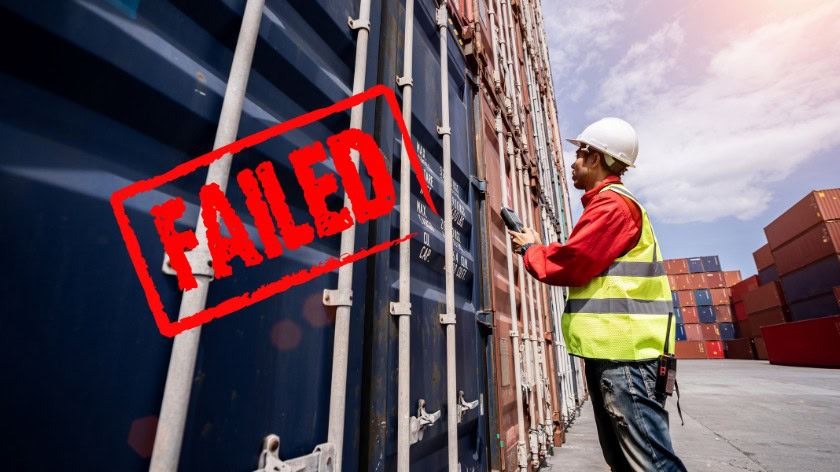
A bad import not only increases costs: it can destroy margins, cause customs delays and compromise the continuity of the catalogue. Unfortunately, we know this all too well, as some of our customers have come to us for help after a bad experience. When decisions at source are not well-founded, every mistake is amplified at destination and turns a seemingly simple operation into a headache for any importer.
When, in addition, the goods arrive with defects, inconsistent documentation or repeated delays, the impact goes beyond operations: it directly affects the brand's reputation. A chain of returns,
Economic and legal risks of poorly managed imports
Wrong decisions at the outset can drive up costs and compromise operations. We have seen budgets destabilised by a simple tariff classification error or by
In addition to the economic impact, regulatory non-compliance opens the door to penalties and limitations on future operations. The lack of certificates, licences, or declarations of conformity can block entire shipments and generate costs in storage, inspections, and returns.
Additional costs due to incorrect tariffs and taxes
Una partida mal clasificada altera por completo la estructura de costes. El uso erróneo del HS code incrementa los aranceles, obliga a revalorizar facturas o justificar cambios ante Aduanas. Corregir después es más caro que prevenir.
Fines and legal problems
EU regulations require rigorous documentation: certificates, technical data sheets, controls and declarations. A mistake leads to penalties, withholdings and possible loss of goods.
Common import errors and how to avoid them
The most common mistakes occur when selecting suppliers, negotiating terms, or reviewing documentation. When MOQ, actual capacity, or manufacturer reliability are not analysed, the risk of cost overruns and delays increases significantly.
Supplier selection and negotiation
Making the wrong choice means receiving inconsistent quality, missed deadlines and unauthorised variations. Verifying the actual MOQ, specifications and production capacity ensures order stability
Incoterms and responsibilities
Failure to review Incoterms leads to misunderstandings about who pays for what. Switching from CIF to FOB usually gives greater control over the actual cost of transport and handling of goods.
Pre-shipment inspection and quality control
Inspections are key... throughout the entire process! A pre-shipment inspection helps avoid surprises such as colour variations, different materials or poor finishes. Detecting a problem early allows it to be corrected before shipment.
Document management and customs clearance
Documentation is the most sensitive part of the process. One piece of inconsistent information is enough to hold up a container or trigger an enhanced inspection.
Invoices and packages with complete information
The description, value, origin, weight and classification must match on all documents. Inconsistencies between the invoice, packing list and label trigger automatic alerts.
Classification and calculation of tariffs
Knowing the most common items and checking for updates avoids higher rates being applied. An incorrect HS code can increase costs by 20–30%.
Logística y transporte: control de costes
The type of shipment has as much influence as the factory price. Errors in logistics planning result in delays, cost overruns or retained goods.
CIF vs FOB
With CIF, the supplier controls transport and adds margins that are difficult to track. With FOB, we take on more responsibility, but we also gain predictability and transparency in costs.
Managing shipments from China
Volume, packaging and shipping time make all the difference. Using rate comparison tools and real-time tracking allows you to anticipate unforeseen events.
How to avoid losses due to delays or hold-ups
The key is planning and communication. A single error in a document, an incomplete code or a late declaration can cause days of delay.
Practical strategies
Maintaining direct contact with customs agents, reviewing each document before shipping and ensuring consistency across all data reduces the risk of inspections.
Best practices for importers in Spain
Training, relying on specialists and using digital tools transforms cost forecasting and speeds up operations.
Training and advice
Keeping up to date with regulations prevents penalties and optimises margins. Having a local team in China provides real control over production and documentation.
Digital tools
Cost simulators, tracking platforms and document control software allow you to forecast expenses and maintain traceability.
Your imports under control with S³
A bad import is not just a one-off problem: it is an operational risk that filters into all areas of the business, from margins to brand perception. Having a specialised team on the ground, capable of auditing factories, validating quality, reviewing documentation and anticipating logistical risks, makes the difference between reacting to problems and avoiding them altogether.
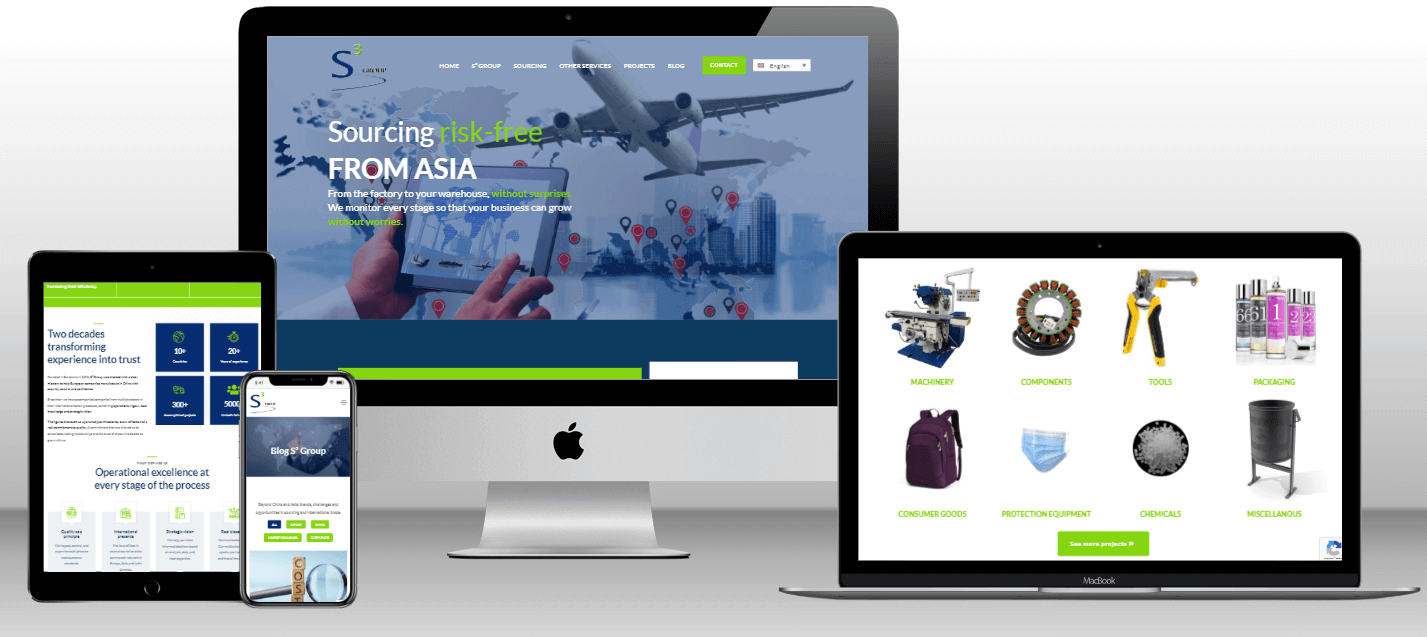
At S³, we work precisely for that purpose: to provide real control at source, ensure that each batch delivers what it promises, and protect both the profitability and reputation of our clients.
If you want to reduce risks, control costs, and ensure that each batch arrives as it should, at S³ we can support you with factory audits, quality control, and comprehensive import management.