Importing solar panels from China has become a viable option for many companies in Spain. Their use is booming, there is no doubt about that, so it is essential to ensure that the import process complies with European regulations and standards.
But it is clear to everyone that this is not just any product. Its size and characteristics make it a product that is, at the very least, ‘complex’, so we are going to put together a short guide on how to select reliable suppliers, manage logistics and guarantee product quality. Planning and control at every stage are essential for the successful import of solar panels.
Strategic selection of Chinese solar panel suppliers
Choosing key suppliers for importing solar panels in China is a fundamental step in the process. It is essential to assess their reputation and experience in the international market, highlighting certifications and quality control processes.
Reputation and experience in the international market
Selecting a reliable supplier involves researching their track record. Aspects such as the following should be considered:
- History of exports to Europe, demonstrating familiarity with local regulations.
- Evaluation of references and success stories, providing evidence of their ability to meet quality standards.
Mandatory certifications for the Spanish and European markets
Solar panels must comply with specific regulations in order to be marketed in Europe. It is crucial to verify:
- CE marking and applicable IEC standards, ensuring that they comply with safety and performance standards.
- RoHS certification and laboratory tests that ensure the absence of harmful substances in manufacturing.
Quality control and factory visits in Guangdong and Zhejiang
Quality control is essential in the selection process. To this end, it is advisable to consider:
- Independent inspection services that assess quality prior to shipment.
- Validation of processes and technical specifications to ensure that products meet market expectations.
Technical aspects and specifications of imported solar panels
Selecting suitable solar panels requires in-depth knowledge of various technical aspects and specifications that guarantee their performance and compatibility. This knowledge is vital for optimising investment and ensuring the quality of the energy system, hence the importance of technical data sheets for this type of product.
Types of solar panels and technology available in China
In the Chinese market, various solar panel technologies are available, each with unique characteristics. It is crucial to select the type that best suits the specific needs of the project.
Bifacial and thin-film panels
Bifacial panels capture light from both sides, increasing their efficiency compared to traditional panels. Thin-film panels, on the other hand, are characterised by their flexibility and lightness, making them ideal for specific applications.
Photovoltaic modules and energy efficiency
The energy efficiency of solar modules manufactured in China ranges from 22% to 25%, positioning them as a viable option in terms of performance. Selecting efficient modules is essential to maximise energy production.
Key parameters: maximum capacity, voltage and dimensions
When evaluating solar panels, it is essential to consider several technical parameters that directly impact their performance.
Maximum load capacity and frame material
The maximum load capacity ensures that the panels can withstand adverse weather conditions. The frame material, usually aluminium, must be strong to ensure durability and stability.
Panel dimensions and compatibility with Spanish systems
The dimensions of the panels must be compatible with installation at the place of use. This ensures proper integration into existing systems on the Spanish market and optimises space utilisation.
Minimum order and flexibility for different types of buyers
Flexibility in orders is a considerable advantage that allows small and large buyers to access the solar panel market.
MOQ and options for small-scale projects
Many Chinese suppliers have adjusted the MOQ, allowing orders to be placed for as few as one or two units. This facilitates market entry for smaller projects.
Standard models and customisation according to project
Manufacturers offer both standard models and the option of customisation, allowing buyers to adapt the panels to their specific needs.
Logistics and document management for importing solar panels
Proper handling of the logistics and documentation process is essential for the effective importation of solar panels. Below, we detail the key aspects that must be considered.
International transport methods: air and sea
There are two main options for transporting solar panels from China: air and sea. Each method has characteristics that make it suitable depending on the needs of the order.
Advantages and costs of sea transport
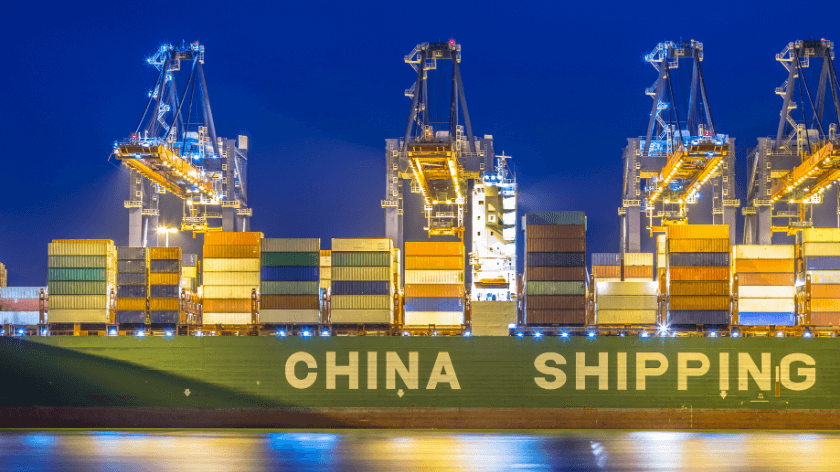
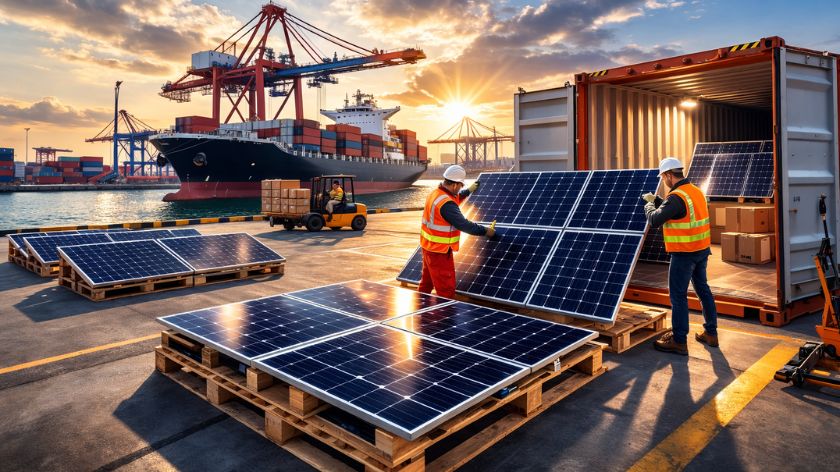
Sea transport is usually more economical, ideal for large volumes of goods. It allows hundreds of panels to be shipped at once, reducing the cost per unit and making imports more profitable.
Air transport for urgent orders and samples
Air transport, although more expensive, is the appropriate method for urgent shipments or when samples are required quickly. It allows for rapid product availability, which can be critical in certain projects.
Essential documentation for importing from China
Having the proper documentation is crucial to avoid problems at customs. Without it, shipments can experience significant delays.
The commercial invoice must detail the quantities and values of the products. The packing list matches the invoice, and the bill of lading proves ownership of the shipment, allowing it to be released.
Certificate of origin and IEC test certificates
These documents are essential to ensure that the goods comply with the regulations required in the European market, facilitating their acceptance at customs.
How to avoid customs holds and delays
Preparing all documentation properly and anticipating procedures is key to minimising delays and ensuring a smooth import process.
Strategies to ensure quality imports and minimise risks
A secure import combines comprehensive cost assessment, supplier auditing, pre-shipment inspection under AQL standards, and complete document validation. This approach reduces subsequent claims and protects the buyer's investment.
When we structure the process strategically, importing solar panels from China ceases to be an uncertain operation and becomes a sustainable competitive advantage for distributors, installers, and energy developers.
At S³ Group, we also assist companies that want to import solar panels from China with peace of mind and professional judgement. We take care of finding and validating reliable manufacturers, supervising production and checking quality before the goods leave their place of origin. We coordinate all the documentation and logistics so that the process is clear and under control at every stage. You focus on selling and installing; we take care of ensuring that the import is safe, profitable and in line with European standards. Because for us, quality is our leitmotiv.