Import decisions and brand positioning are much more closely linked than many companies believe. Importing is not just an operational issue related to costs, deadlines or product availability; it is a strategic decision that directly impacts the market's perception of a brand's quality, consistency and value.
When the import strategy is aligned with positioning, the brand gains credibility and differentiation. When it is not, inconsistencies arise that erode consumer confidence and limit growth, even if the product is competitively priced.
Key concepts of brand positioning
Brand positioning defines the place a company occupies in the consumer's mind compared to its competitors. It does not depend solely on the message the brand conveys, but on the set of experiences the customer has over time.
In global and highly competitive markets, clear positioning reduces friction in the purchasing decision and allows companies to compete on value, not just price.
Definition and relevance in the consumer's mind
Positioning can be understood as the comparative perception that the market has of a brand. It is the filter through which consumers interpret attributes such as quality, reliability, innovation, or sustainability.
This perception directly influences willingness to pay, loyalty, and recommendation. Therefore, any inconsistency between what the brand promises and what the product offers ends up affecting purchasing decisions.
Brand identity and image
A brand's identity encompasses the elements that the company controls: name, design, communication tone, values, and value proposition. Brand image is the result of how the market interprets these elements.
Import decisions influence both levels. An imported product that does not meet the expected standards of quality, materials, or finish breaks the consistency between identity and image.
Objectives and benefits of solid positioning
Well-defined positioning allows you to:
- Generate recognition and differentiation in the market
- Build an emotional connection with the customer
- Facilitate medium- and long-term loyalty
- Increase the perceived value of the product
- Protect your margin against price competition
When positioning is consistent, the brand can justify higher prices (including justifying price increases) and sustain its growth.
Risks of inadequate positioning
Poorly managed positioning creates confusion, hinders differentiation and damages reputation. In importing, these risks often materialise in quality issues, returns, negative reviews or loss of trust.
A lack of prior analysis and control throughout the supply chain amplifies these impacts, especially in demanding markets.
Import decisions as a strategic factor
Import decisions are not limited to choosing a supplier or country of origin. Each choice communicates something to the market and reinforces—or weakens—the brand's positioning.
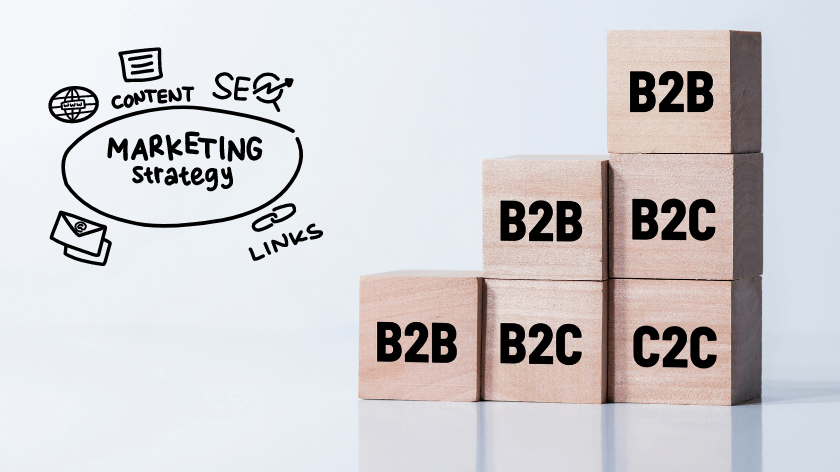
For this reason, import, marketing, and sales must work in a coordinated manner, both in B2B and B2C.
Impact of product quality and origin
Product origin remains a key factor in consumer perception. Certain countries are associated with engineering, precision or sustainability, while others are perceived as low-cost, which until recently was still the case with China.
Managing this element correctly does not mean hiding it, but rather integrating it coherently into the value proposition. When origin supports positioning, it reinforces brand credibility.
Local regulations and standards
Each market imposes technical, legal and labelling requirements that directly affect the marketing of the product. Complying with these regulations not only avoids penalties, but also conveys professionalism and control.
Certifications, testing and technical documentation are part of the brand experience, especially in regulated sectors.
Product and communication adaptation
Consumers in different markets have different expectations. Adapting the product, materials, design or packaging to these preferences is key to a successful import strategy.
Communication must accompany this adaptation, clearly explaining the value of the product and aligning it with local cultural codes.
Logistical and legal risk management
Delays, cost increases, customs issues, or trade barriers affect both operations and brand perception. Poor logistics management can ruin a launch or damage customer confidence.
Planning, supplier diversification, and contingency plans are essential to protect positioning.
Brand positioning strategies linked to importation
Differentiation by attributes and benefits
Differentiation based on attributes allows characteristics such as quality, materials, sustainability, or innovation to be highlighted. To be credible, the imported product must back up these messages with verifiable facts.
Beyond functionality, emotional benefits—trust, peace of mind, or status—are built when the experience is consistent with the brand promise.
Positioning by price and value
Some brands compete primarily on price, prioritising import costs over other factors. Although this approach may work in the short term, it often leads to volume dependency and constant pressure on margins.
Value-oriented brands focus on reliable suppliers, quality control and strategic consistency, which allows them to differentiate themselves and sustain prices.
Accessible brand vs. exclusive brand
Accessible brands seek to reach a broad audience through competitive pricing and operational efficiency. Exclusive brands, on the other hand, use importation as part of their narrative of quality and differentiation.
Both models are valid, but require import decisions that are consistent with the chosen positioning.
Best practices for aligning importation and brand positioning
When import and branding are managed as a single system, the company gains consistency, margin and growth capacity.
To achieve this, some essential tips are:
- Select suppliers based on positioning, not just cost.
- Audit factories and production processes.
- Define clear standards for quality and materials.
- Integrate packaging and documentation into the branding strategy.
- Coordinate import, marketing and sales
Turn imports into a real competitive advantage
At S³ Group, we understand import as a strategic positioning lever, not just a simple operational process. We work alongside brands to align supplier, product and market, ensuring that every decision reinforces the perception of value and consistency.
We accompany our clients from the definition of the import strategy to factory audits, quality control and regulatory and commercial adaptation. Our goal is clear: to ensure that imports boost brand positioning, protect margins and facilitate sustainable growth in international markets.